
Small Space, Big Style: Space-Saving Decor Tips for Your Home

Living in a smaller space doesn’t mean you have to sacrifice style or comfort. In fact, with the right approach, you can create a cozy, inviting home that feels spacious and full of personality. I’ve learned that thoughtful design and clever decorating can transform even the tiniest rooms into beautiful, functional spaces. Let’s explore some practical and inspiring ideas that will help you make the most of your home, no matter its size.
Clever Space-Saving Decor Tips to Maximize Your Home
When space is limited, every inch counts. That’s why I always recommend focusing on decor that serves more than one purpose. Multipurpose furniture, smart storage solutions, and light colors can work wonders. Here are some of my favorite space-saving decor tips:
Choose furniture with built-in storage. Think ottomans that open up, beds with drawers underneath, or coffee tables with shelves. These pieces help keep clutter out of sight while adding style.
Use vertical space wisely. Tall bookshelves, wall-mounted shelves, and hanging planters draw the eye upward and free up floor space.
Opt for light, neutral colors. Soft whites, pale grays, and gentle pastels reflect light and make rooms feel larger.
Incorporate mirrors. A well-placed mirror can double the sense of space by reflecting light and views.
Keep decor minimal but meaningful. Select a few statement pieces that bring joy and personality without overwhelming the room.
By combining these tips, you can create a home that feels open and inviting, even if square footage is limited.
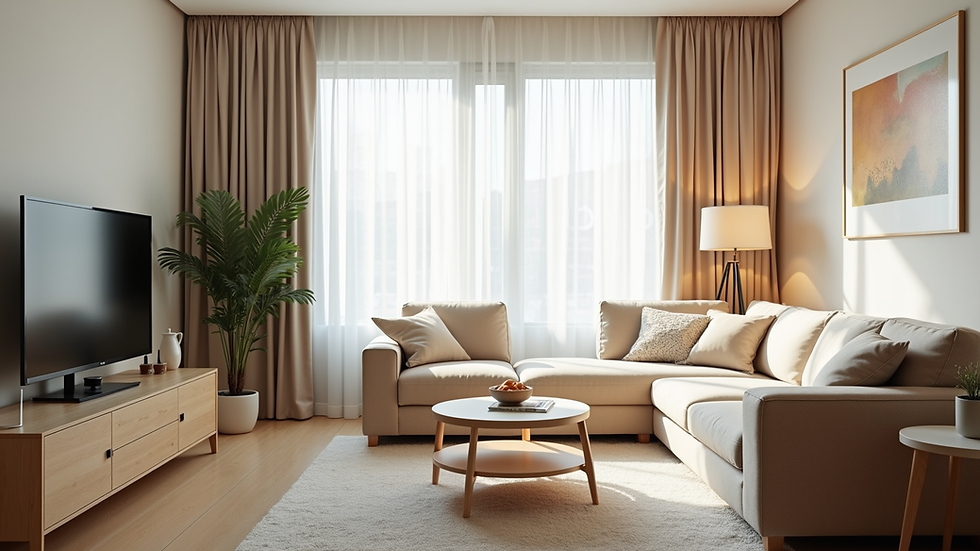
How to Use Color and Light to Open Up Small Spaces
Color and lighting are two of the most powerful tools in small space decorating. I’ve found that the right choices here can completely change how a room feels. Here’s what I suggest:
Stick to a light color palette. Whites, creams, and soft pastels bounce light around the room. Avoid dark colors on walls, which can make a space feel closed in.
Add pops of color with accessories. Use throw pillows, rugs, or artwork to bring in personality without overwhelming the space.
Maximize natural light. Keep window treatments light and airy. Sheer curtains or blinds that can be fully opened work best.
Layer your lighting. Combine overhead lights with floor lamps and table lamps to create a warm, inviting glow.
Use reflective surfaces. Glass, metallic finishes, and mirrors help spread light and add depth.
These color and lighting strategies help create a bright, cheerful atmosphere that feels much larger than it really is.
What is the 70/30 Rule in Interior Design?
The 70/30 rule is a simple guideline that helps balance color and texture in a room. It suggests that 70% of your space should be covered in a dominant color or material, while the remaining 30% is used for accents and contrasts. This rule is especially helpful in small spaces because it keeps the design cohesive and prevents visual clutter.
For example, if your walls and large furniture pieces are in soft neutrals (the 70%), you can add interest with colorful pillows, artwork, or a patterned rug (the 30%). This balance creates harmony and makes the space feel thoughtfully designed without being overwhelming.
Applying the 70/30 rule can help you make confident choices about color and texture, ensuring your small space looks polished and inviting.
Smart Storage Solutions That Don’t Sacrifice Style
Storage is often the biggest challenge in small homes. But with a little creativity, you can find stylish ways to keep your belongings organized and out of sight. Here are some ideas I love:
Floating shelves. These keep items off the floor and add a modern touch.
Under-bed storage bins. Perfect for seasonal clothes or extra linens.
Hooks and pegboards. Great for hanging bags, hats, or kitchen tools.
Built-in cabinets or benches. These can double as seating or display areas.
Decorative baskets and boxes. Use these to corral smaller items on shelves or under tables.
Remember, storage doesn’t have to be boring. Choose containers and furniture that complement your style and add to the room’s overall look.

Bringing Personality to Small Spaces with Themed Decor
One of the most fun parts of decorating is adding personal touches that reflect your interests and values. Whether you love seasonal celebrations, faith-based symbols, or unique apparel-inspired accents, themed decor can make your home feel truly yours.
Here are some ways to incorporate personality without crowding your space:
Rotate seasonal decor. Swap out small items like throw pillows, wall art, or table centerpieces to keep your home feeling fresh and festive.
Display meaningful collections. Use a dedicated shelf or shadow box to showcase items that tell your story.
Incorporate textiles. Themed blankets, curtains, or rugs can add warmth and character.
Use statement pieces sparingly. A single bold item, like a themed wall hanging or a unique lamp, can become a focal point without overwhelming the room.
By thoughtfully choosing decor that resonates with you, your small space will feel welcoming and full of life.
Your Next Steps to a Stylish Small Home
I hope these ideas inspire you to embrace your space and make it your own. Remember, decorating a small home is all about balance - mixing function with beauty, and simplicity with personality. If you want more inspiration, check out this collection of home decor ideas for small spaces that can help you find the perfect pieces and styles.
With a little creativity and care, your small space can become a big expression of your style and spirit. Happy decorating!



Comments